Data Structure and Object Oriented Programming with Java Lab
The Data Structure and Object Oriented Programming with Java Lab focuses on strengthening students’ core programming and logical reasoning skills. Students gain hands-on experience in implementing fundamental data structures such as arrays, stacks, queues, linked lists, trees, and graphs, along with algorithmic problem-solving techniques. The Java programming component emphasizes object-oriented concepts including classes, objects, inheritance, polymorphism, abstraction, and exception handling. Through structured lab exercises and problem-based learning, students learn to design efficient, modular, and reusable programs. The lab builds a strong foundation for advanced software development and competitive programming.
Data Analytics Lab
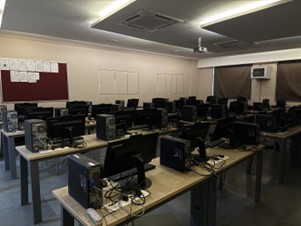
The Data Analytics Lab is designed to equip students with strong practical skills in collecting, processing, analyzing, and interpreting large and complex datasets. The lab provides hands-on exposure to industry-relevant tools such as Python, and Microsoft Excel for data manipulation, statistical analysis, visualization, and predictive modelling. Students work on real-world datasets to understand data cleaning, feature extraction, exploratory data analysis, and decision-making techniques. Emphasis is given to transforming raw data into meaningful insights, helping students develop analytical thinking and problem-solving abilities. The lab prepares students for data-driven roles in domains such as business analytics, healthcare, finance, and research.

Web Designing Lab
The Web Designing Workshop offers practical training in designing and developing visually appealing and responsive websites. Students learn the fundamentals of HTML, CSS, JavaScript, and modern layout techniques to create interactive web pages. The workshop emphasizes user interface design, usability, accessibility, and responsive design principles for different screen sizes. Students work on real-time design tasks and mini projects that help them understand industry trends in front-end development. This workshop enhances creativity and equips students with essential skills for web design and digital content development.
Database Management System & Software Engineering Lab
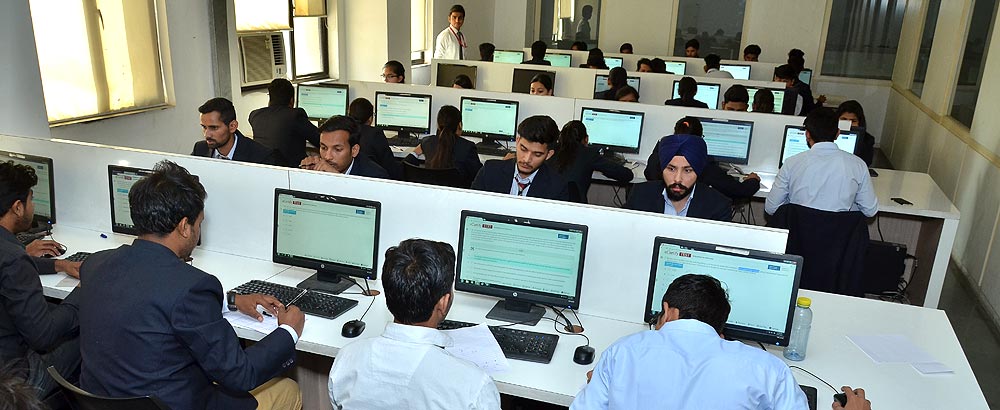
The Database Management System and Software Engineering Lab provide comprehensive exposure to data management and structured software development processes. In the DBMS component, students learn database design, normalization, SQL queries, indexing, and transaction management using relational database systems. The Software Engineering component focuses on requirement analysis, system design, UML modelling, software testing, version control, and documentation. Students work in teams to simulate real-world software development environments, following systematic methodologies. The lab helps students understand how robust, scalable, and maintainable software systems are developed in industry.
Design and Analysis of Algorithm & Compiler Design Lab
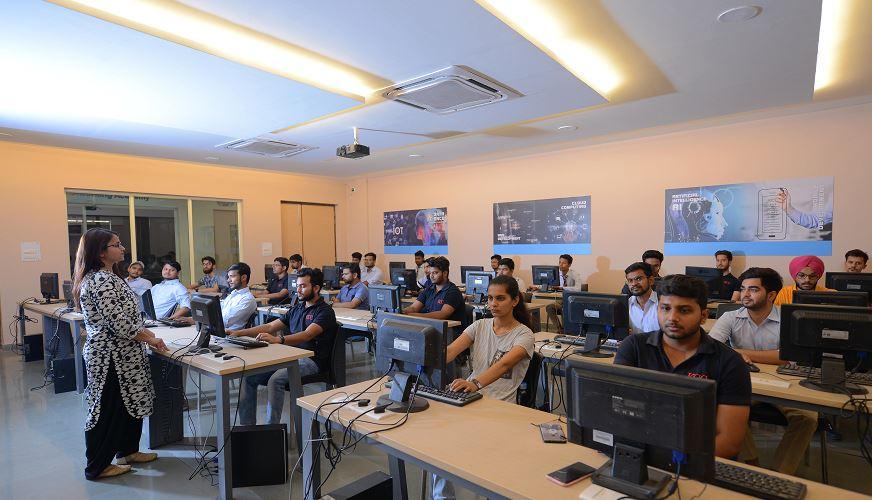
The Design and Analysis of Algorithm and Compiler Design Lab aims to enhance students’ analytical, logical, and optimization skills. Students implement and analyze algorithms related to searching, sorting, greedy techniques, dynamic programming, and graph traversal, with a focus on time and space complexity. The Compiler Design component introduces the internal working of language processors, including lexical analysis, syntax parsing, semantic analysis, symbol table management, and code generation. By integrating theory with practice, the lab develops a deep understanding of algorithm efficiency and programming language translation mechanisms.
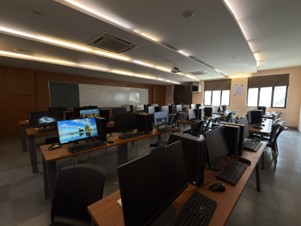
Web Technology Lab
The Web Technology Lab provides hands-on experience in developing dynamic and database-driven web applications. Students work with client-side and server-side technologies to understand the complete web application development lifecycle. The lab covers scripting, form handling, session management, database connectivity, and basic web security practices. Through practical exercises and project-based learning, students gain experience in building scalable and interactive web applications. The lab prepares students for careers in web development and full-stack application design.
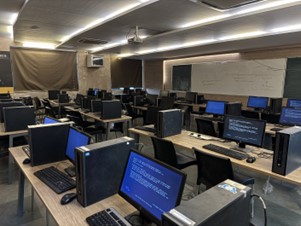
Artificial Intelligence Lab & Cyber Security Workshop
The Artificial Intelligence Lab and Cyber Security Workshop focus on exposing students to emerging and high-demand technologies. In the AI lab, students work on intelligent systems, problem-solving techniques, search algorithms, and introductory machine learning concepts. The Cyber Security Workshop introduces students to security fundamentals such as cryptography, network security, system vulnerabilities, and ethical hacking practices. Students gain awareness of secure computing environments and intelligent decision-making systems. This combined exposure prepares students for advanced studies and careers in AI-driven and security-focused domains.
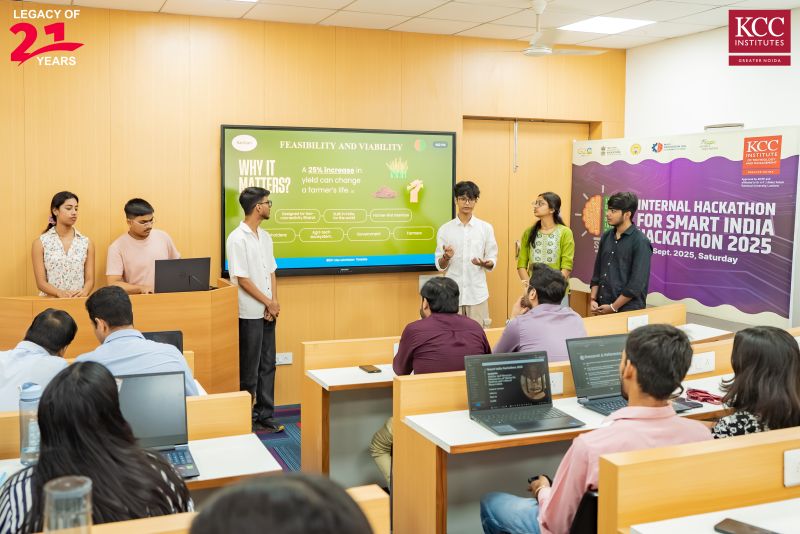
Project Lab
The Project Lab provides students with a dedicated space to design, develop, and implement academic and real-world projects. The lab supports project-based learning by enabling students to apply theoretical concepts using appropriate tools and technologies. It encourages innovation, teamwork, problem-solving, and technical documentation, helping students gain practical experience and industry readiness.
Computer Networks Lab
This lab integrates technical learning with entrepreneurial skill development. The Computer Networks Lab offers practical exposure to network configuration, routing, protocols, and troubleshooting using simulated and real networking environments. The Startup and Entrepreneurial Activity Assessment encourages students to develop innovative ideas, understand business models, and explore startup ecosystems. Students learn how technology can be transformed into viable products and services. The lab nurtures leadership, innovation, and problem-solving skills alongside technical competence.
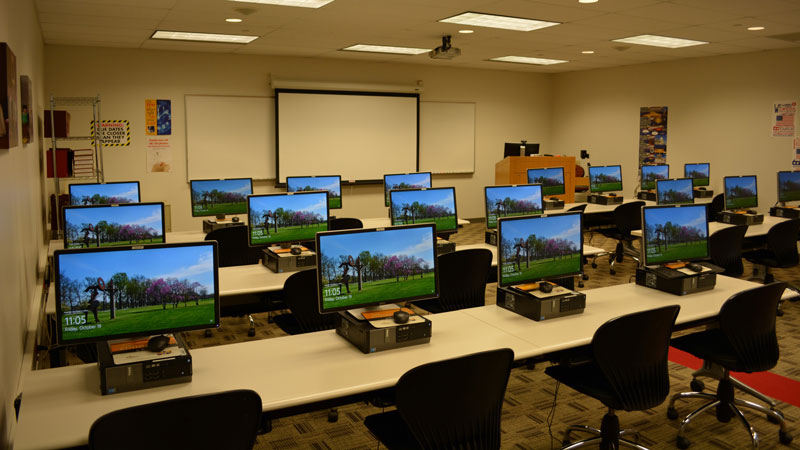
Computer Organization & Architecture and Operating System Lab
The Computer Organization and Architecture and Operating System Lab provide in-depth understanding of the internal functioning of computer systems. Students perform experiments related to processor architecture, instruction cycles, memory hierarchy, and input-output organization. The Operating System component focuses on process management, CPU scheduling, synchronization, memory allocation, and file systems. Through hands-on exercises, students gain a clear understanding of how hardware and software interact. The lab builds a strong foundation for system programming and performance optimization.
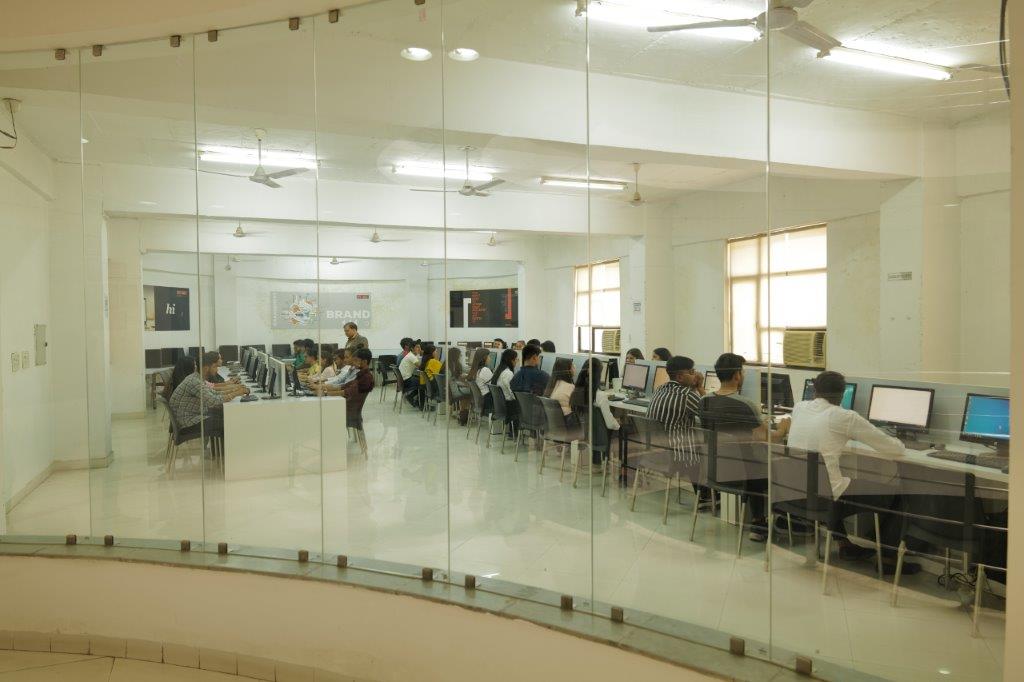
Artificial Intelligence Laboratory
The Artificial Intelligence Laboratory provides students with hands-on exposure to intelligent systems and emerging AI technologies. The lab supports practical learning in areas such as problem solving, search techniques, and basic machine learning concepts. Equipped with modern computing resources, the facility encourages experimentation, innovation, and project-based learning. The lab helps students develop analytical thinking and prepares them for advanced studies and careers in AI-driven domains.